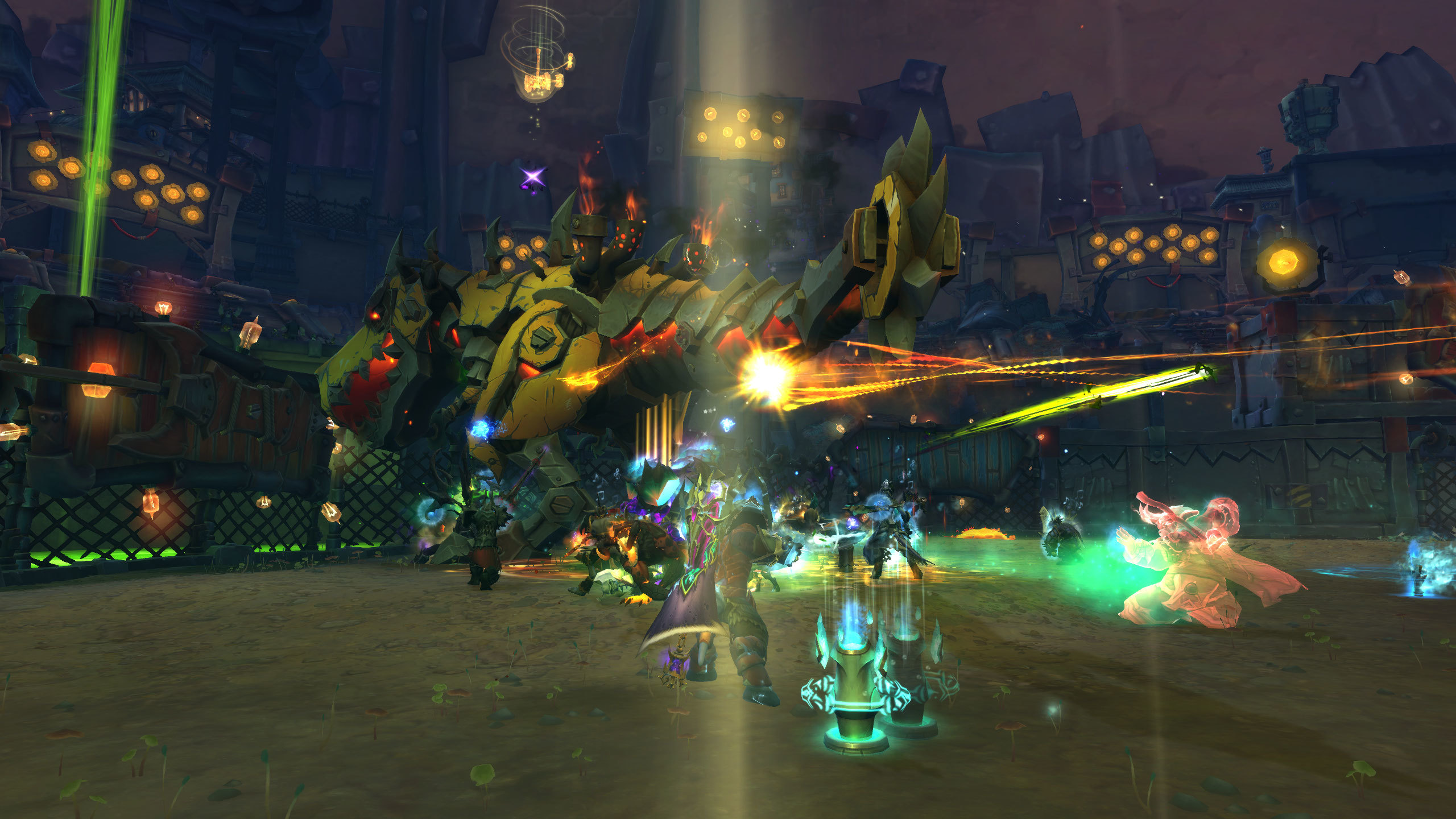
In multi-target encounters, tanks must generate threat on both the single-target focus (often the boss) and the surrounding adds. The Control of Cleave Threat is the primary **Tanking Challenge** that dictates the security of the pull. This control separates expert tanks who maintain **Stable Mob Aggro**—securing all targets reliably—from those causing **DPS Pulling Focus**—where DPS inadvertently acquire aggro on secondary targets, leading to positional chaos and collateral damage.
This analysis details the strategies for balancing single-target and multi-target threat, the role of positional awareness in cleave threat distribution, and the necessary discipline to prevent dangerous threat reversal.
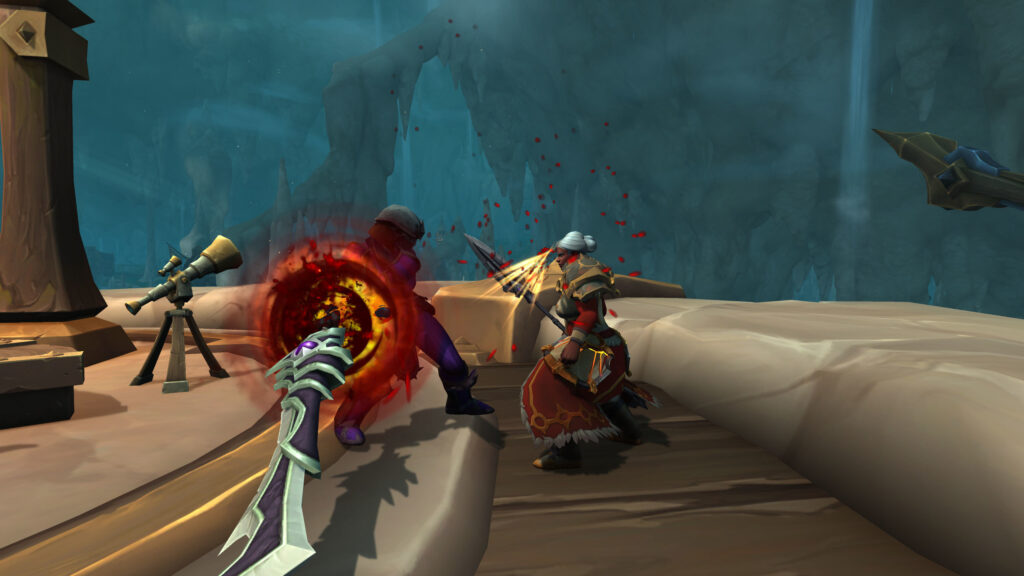
The Cleave Threat Conflict
Cleave Threat generation is a balance. Tanks must allocate resources to maintain high single-target threat on the boss (to prevent the Off-Tank or highest DPS from pulling aggro) while simultaneously using AoE threat abilities to secure all adds. The challenge is magnified by DPS players utilizing powerful cleave rotations that generate massive threat on secondary targets, often exceeding the tank’s dedicated AoE threat.
**DPS Pulling Focus** occurs when a DPS’s cleave threat on an add exceeds the tank’s AoE threat threshold, causing the unsecured add to break off and attack the DPS player, disrupting the group’s formation.
Strategies for Stable Mob Aggro
Maintaining **Stable Mob Aggro** requires a disciplined approach to AoE rotation and threat tools:
- Frontal/Ranged Tagging: Immediately applying a high-threat ranged ability (e.g., Avenger’s Shield) to multiple adds upon engagement to establish initial threat priority.
- Core AoE Maintenance: Weaving high-threat AoE abilities (e.g., Consecration, Death and Decay) consistently into the single-target rotation to sustain threat on all secondary targets.
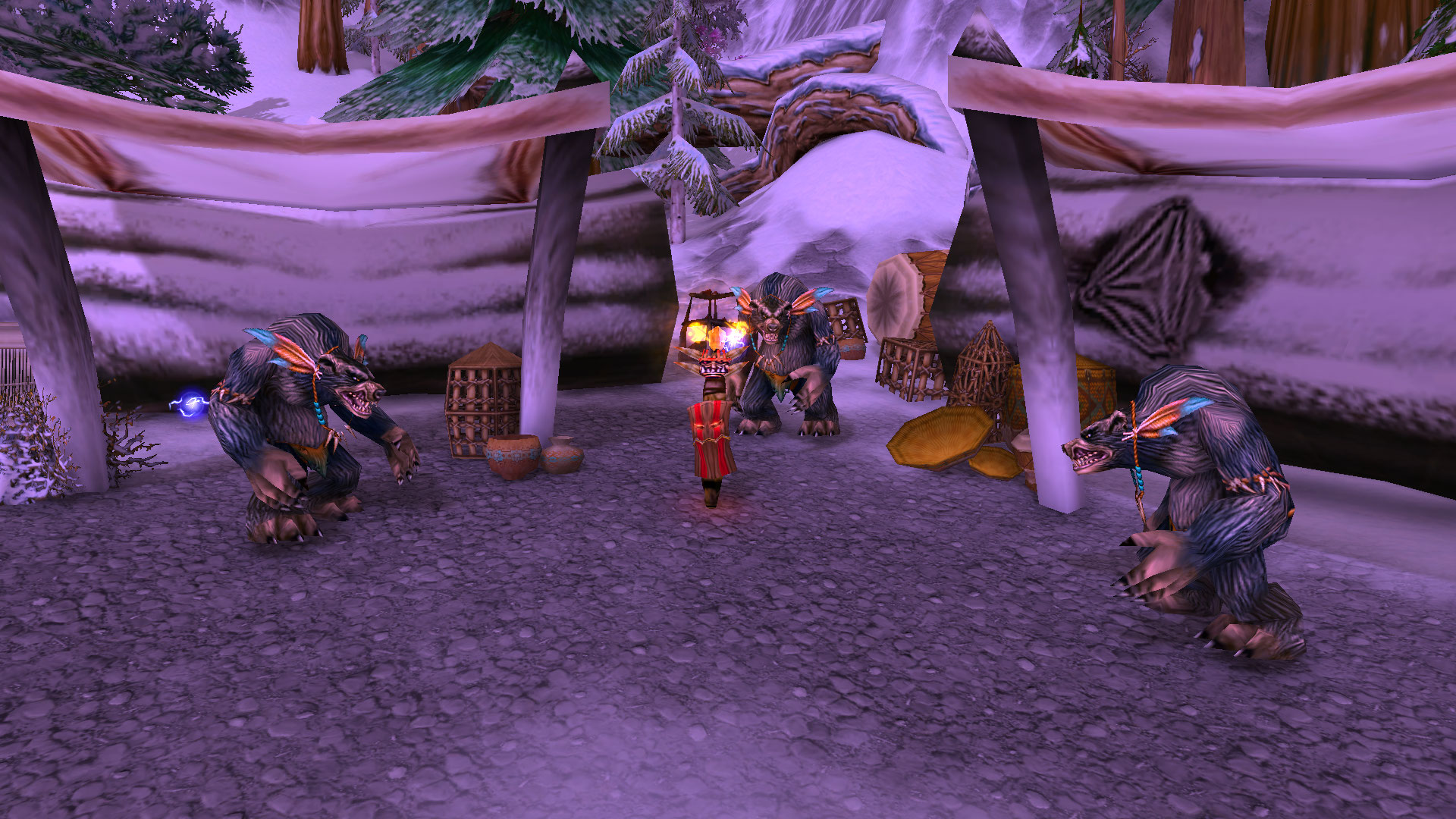
- Positional Clustering: Utilizing **Dungeon Mob Pathing Manipulation** to stack all adds tightly around the boss, maximizing the efficiency of the tank’s short-range AoE threat tools.
Positional Awareness and Threat Distribution
The tank’s position directly influences cleave threat distribution. If adds are scattered, the tank’s AoE threat diminishes rapidly on distant targets. Expert tanks use the environment to cluster enemies, ensuring their AoE threat coverage is maximal.
| Threat Control Failure | Root Cause | Consequence (DPS Pulling Focus) |
|---|---|---|
| Loose Add Runs Off | Failure to apply a continuous AoE threat rotation on secondary targets. | DPS pulls aggro on the unsecured add; positional chaos ensues. |
| Ranged Caster Unsecured | Tank failed to use LOS manipulation to pull the caster into the AoE zone. | DPS cleave threat exceeds the tank’s distant single-target threat on the caster. |
| Single Target Spike | Tank over-prioritizes AoE threat and neglects boss threat margin. | Highest DPS pulls the boss during a synchronized burst window. |
Discipline of Continuous Threat

The Tanking Challenge requires continuous monitoring of threat levels (via addons like Details! or specialized tools). If a specific DPS is generating threat near the safe threshold, the tank must dedicate an extra single-target threat builder to the boss, or an immediate AoE threat builder to the add, to prevent a dangerous reversal.
Conclusion
The Control of Cleave Threat is the defining Tanking Challenge in multi-target combat. By executing a precise rotation that balances single-target threat with continuous AoE threat maintenance, expert tanks achieve Stable Mob Aggro. This discipline prevents the damaging effects of DPS Pulling Focus, securing the pull and maximizing the group’s ability to cleave down enemies efficiently.