For as long as World of Warcraft has existed, Warlocks have stood at the crossroads between selfish power and group utility. They wield destructive magic, summon infernal horrors, manipulate their enemies, and protect allies with unholy barriers. Few classes in WoW occupy such a strange, thrilling niche where raw chaos meets strategic utility. Whether dominating boss fights with curses, rescuing teammates with Healthstones, or controlling dangerous enemies with Fear, Warlocks redefine hybrid design.
This article explores why Warlocks occupy such a unique role, how their toolkit blends utility with devastating offense, and why the class continues to feel essential in both group and solo content.
A Class Built on Sacrifice and Power
The core Warlock fantasy revolves around sacrifice—of health, of souls, of control—in exchange for immense power. This concept enables Blizzard to give Warlocks options that would be overpowered on other classes. Life Tap existed for years as a symbol of this identity: Warlocks spent health for mana, maintaining pressure long after other casters were depleted. Even today, abilities like Soul Leech, Dark Pact, and Drain Life preserve that philosophy.
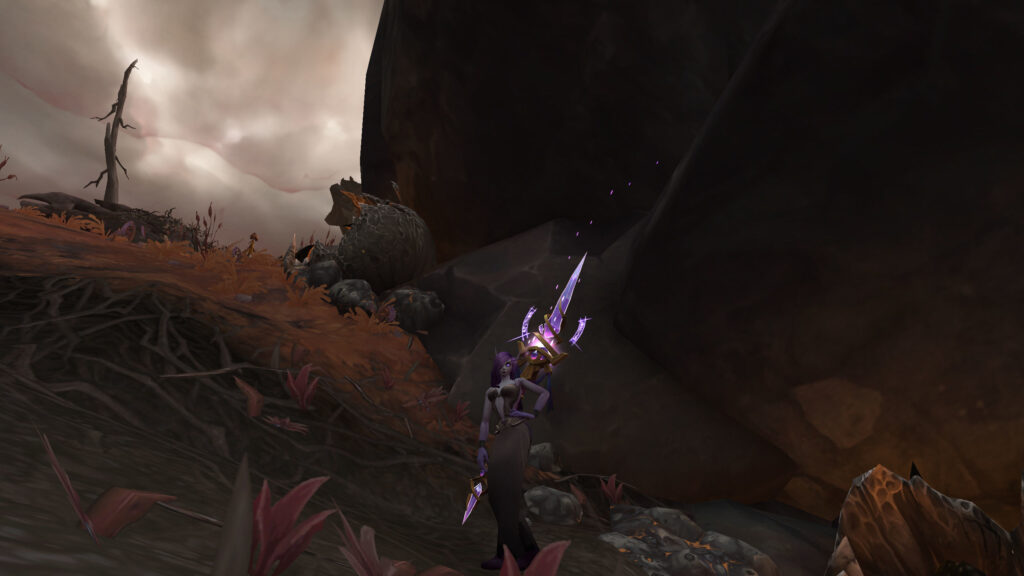
This theme of bending life force fuels both their damage and their utility.
Pets: The Foundation of Hybrid Design
Warlocks are one of the only pet-based casters in WoW, and their demons are integral to their hybrid utility. Each pet brings its own toolkit—interrupts, tanks, dispels, crowd control—and these abilities often define a Warlock’s role within the group. The Felhunter’s interrupt is legendary among casters, while the Voidwalker is a soloing powerhouse. In group PvP, the Succubus’s seduction remains one of the most disruptive single-target CC tools in the game.
The demons themselves are a form of battlefield utility, extending the Warlock’s reach.
The Ultimate Utility Trio: Healthstones, Soulstones, and Summons
Warlocks contribute three iconic utility tools that have shaped raid and dungeon culture for years. Even players who don’t play the class can recite them from memory: “Healthstones?”, “We need a summon!”, and “Did anyone Soulstone the healer?” These rituals are embedded into WoW’s identity itself.
- Healthstones: Extra self-healing that often saves lives during high-damage phases.
- Soulstones: The ability to pre-res a key player or resurrect instantly upon death.
- Summoning Rituals: A convenience tool that defines group coordination before encounters.
This trifecta gives Warlocks a unique role that blends offensive might with essential support.
Curses and Debuffs: Subtle Power With Enormous Impact
Warlocks wield some of the most powerful long-term debuffs in the game. From Curse of Weakness to Tongues, Exhaustion, and Doom, their ability to manipulate enemy performance shapes both PvE and PvP encounters. Even when these curses aren’t mandatory in every expansion, they remain some of the most flavorful and tactically interesting tools available to a spellcaster.
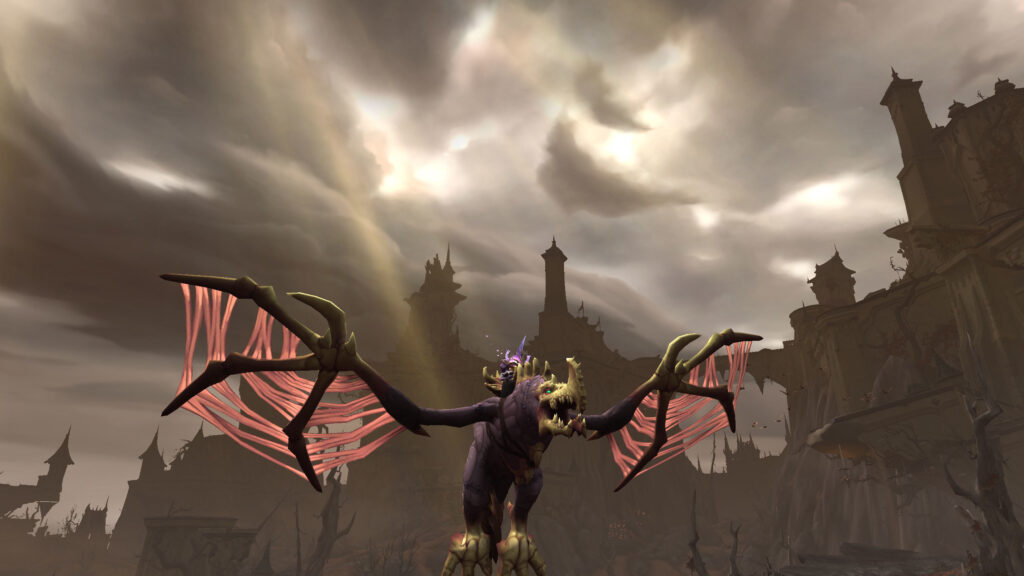
Few classes can suppress, weaken, or torment enemies quite like a Warlock.
Fear, Havoc, and Chaos: A Toolkit Built to Disrupt
Warlocks excel in chaos. Fear can single-handedly change a fight, especially in world PvP or battlegrounds. Banish retains niche but powerful applications in raids. Havoc allows Destruction Warlocks to replicate spells onto multiple targets, turning them into cleave machines. And abilities like Chaos Bolt let Warlocks channel their identity through slow, devastating attacks that feel unstoppable when properly set up.
This mixture of crowd control and burst damage ensures Warlocks can create and control chaos at will.
Each Spec Expresses Chaos Differently
No other class has specializations that differ as dramatically as Warlocks. Each spec channels chaos through a completely different lens—summoning, affliction, or raw destruction. This variety gives Warlocks the widest emotional palette in the caster category.
Affliction spreads suffering through DoTs; Demonology overwhelms with demonic armies; Destruction focuses hellfire into explosive bursts. All three playstyles embrace hybrid design but in tonally unique ways.
Demonology: A Commander of Chaos
Demonology Warlocks offer some of the most complex utility of any spec. The ability to summon and control multiple demons simultaneously gives them incredible wave-clearing power and pressure in group content. Their demons provide interrupts, stuns, shielding, and damage, making the spec a hybrid all its own. In raids, Demonology shines with consistent damage and survivability, while in Mythic+, the chaos of its rotation makes pulling groups feel explosive and theatrical.
The spec feels like controlling an army instead of casting spells.
Affliction: A Master of Long-Burn Control
Affliction Warlocks manipulate the battlefield through DoTs and curses. Instead of explosive chaos, their utility lies in pressure, spread damage, and survivability. Corruption and Agony create passive map control; Unstable Affliction punishes dispels; Drain Life keeps the Warlock alive while enemies crumble. Affliction represents slow, creeping doom rather than explosive outbursts.
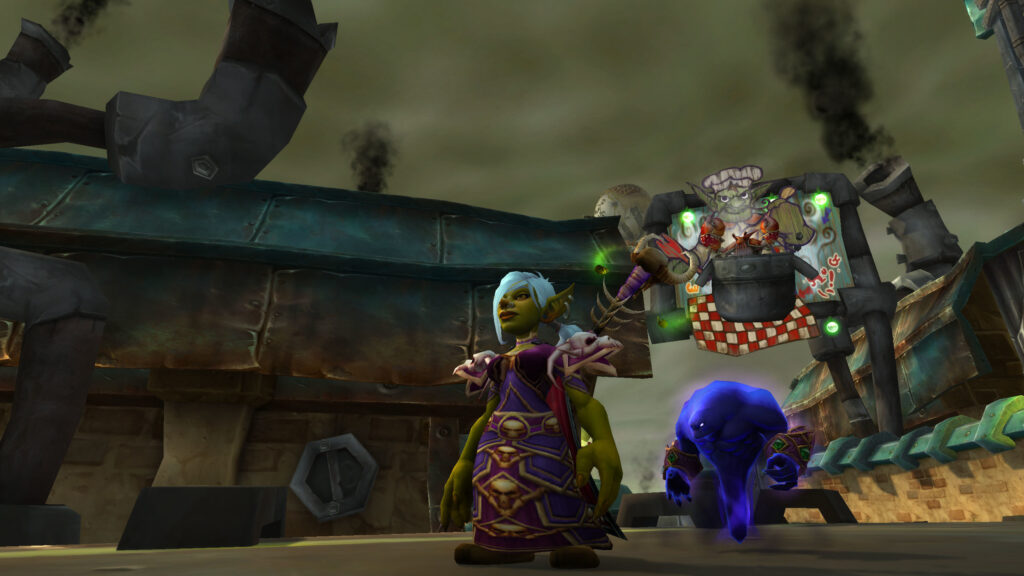
It’s hybrid utility expressed through attrition and persistence.
Destruction: Chaos Made Spectacular
Destruction Warlocks embody the fantasy of raw magical power. Chaos Bolt, their signature spell, is the very definition of controlled chaos—a slow, massive projectile that demands setup but pays off dramatically. Destruction offers utility in the form of Havoc cleave, Shadowfury stuns, and interrupts from pets. It’s hybrid design with a loud, fiery personality.
Every Chaos Bolt is a moment of theatrical destruction.
Why Warlock Utility Outshines Other Casters
While Mages bring portals and Priests offer buff suites, Warlocks integrate utility directly into combat flow. Their healing stones mitigate wipes; their summons facilitate raids; their Soulstones create strategic safety nets. Warlocks aren’t support casters, but their kit provides support value in a way that never detracts from their offensive identity. This makes them uniquely hybrid without ever becoming a pure utility class.
They remain DPS through and through—just DPS with an enormous toolbox.
Conclusion
Warlocks stand apart as masters of hybrid utility and chaotic power because their design blends offensive force with essential group tools. They control demons, disrupt enemies, protect allies, and unleash spectacular destruction. Every spell, curse, and demonic summon reinforces their fantasy: a caster who bends dark forces to their will while contributing meaningfully to every fight.
This balance of chaos and utility makes Warlocks one of the most enduring, flavorful, and strategically rich classes in World of Warcraft.